Preserving Boston’s Historic Brick & Mortar
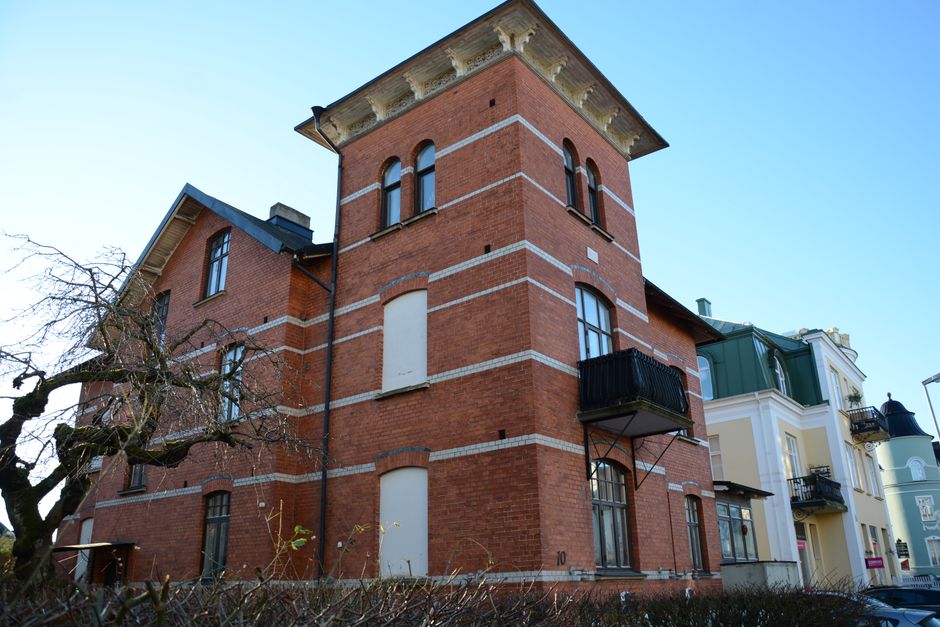
Walking through Boston’s neighborhoods, you can’t help but notice the bones of the city—centuries-old brick and stone buildings that tell the story of our region’s evolution. But these structures face a modern crisis that many homeowners and property managers don’t fully grasp. The mortar holding those beautiful facades together is failing, and the common instinct to “fix it now” often makes the damage worse rather than better.

The Case for Patience: Why Most Repointing Jobs Go Wrong
I get contacted regularly by neighbors facing this dilemma. A foundation shows cracks. Mortar lines look weathered. The logical next step seems obvious—hire someone and get it sealed up. But this assumption overlooks something critical: not all masonry repairs are created equal, and aggressive intervention on older buildings often creates irreversible damage.
“Why not just use modern mortar? It’s stronger, waterproof, and lasts longer.” It’s a fair question, and one I hear often. The problem is that modern mortar is too hard for historic brick. When you apply a material stronger than the brick itself, the brick fractures and spalls rather than the mortar cracking—which defeats the entire purpose of mortar acting as the sacrificial element in the assembly.
This counterargument deserves credit because it reflects real experience with modern construction. But historic masonry operates on different principles. The brick and stone in buildings from the 1800s and early 1900s were laid with softer, more porous mortars by design. That “weakness” was intentional—it protected the more valuable brick faces by absorbing movement and weathering. Replace that soft mortar with concrete-strength Portland cement, and you’ve essentially guaranteed that the brick will take the damage.
What Actually Works: The Science Behind Proper Repointing
The right approach requires understanding what made these buildings endure for 150+ years. Historic mortar was formulated with lime as the primary binder, not Portland cement. Lime mortar is softer, more breathable, and more flexible—it cracks to relieve pressure rather than transmitting that pressure to the brick. It also allows water vapor to pass through, preventing moisture from becoming trapped inside the wall assembly where it causes real damage.
Proper repointing (also called tuckpointing) means removing the damaged mortar to a depth of at least 2.5 times the joint width, analyzing the original mortar composition, and replacing it with a mortar that matches the original strength and composition. This isn’t a weekend DIY project—it requires careful assessment, the right materials, and skilled application. But it’s the only approach that preserves the building’s integrity while actually solving the problem.
A Real-World Walkthrough: How to Assess Your Building
If you own or manage a historic property in Boston or Cambridge, here’s how I approach evaluation before recommending next steps:
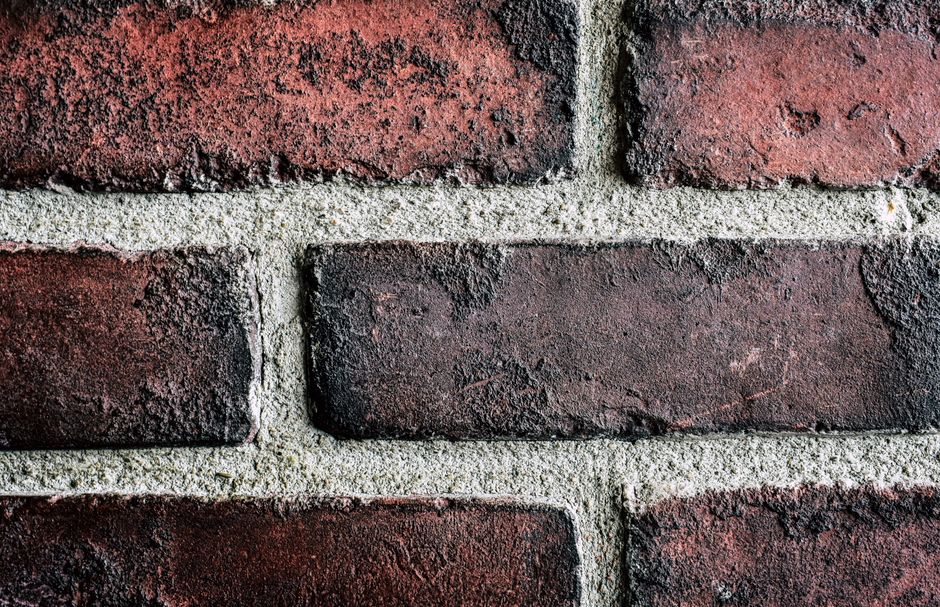
- Visual Inspection: Walk the perimeter and look for evidence of previous repairs. If you see hard gray mortar in some joints and softer beige/tan in others, you’re probably looking at mismatched repairs that accelerated decay. Previous owners often applied the “stronger is better” approach, which leaves you cleaning up after their mistake.
- Mortar Analysis: Take a small sample of the original mortar (in an inconspicuous area) and have it tested. A proper mortar analysis reveals the lime-to-sand ratio and composition, which is essential for getting the replacement right. This step alone costs $150-300 but prevents $10,000 mistakes.
- Water Damage Assessment: Look at interior walls corresponding to the worst exterior mortar damage. Staining, efflorescence (white salt deposits), or damp spots indicate that moisture is already trapped. This changes the urgency and approach—you may need to address interior conditions alongside exterior work.
- Historic District Compliance: If your building is in a historic district, the Massachusetts Historical Commission and local review boards have specific standards for what materials and methods are acceptable. Rushing into work without understanding these requirements can result in ordered restoration or fines.
- Professional Consultation: Before committing to any repair, get a quote and methodology from someone experienced with historic masonry. Not all contractors understand why lime mortar matters, or they’ll push the “stronger is better” approach because it’s cheaper and faster.

The Bigger Picture: Why Boston Needs This Conversation
Our city’s architectural heritage depends on getting this right. Every time someone applies Portland cement to a 19th-century building, we’re slowly destroying irreplaceable history. The good news is that the solution is well-understood and proven—we simply need more awareness among property owners and clearer standards for who’s qualified to do this work.
If you’re managing a historic property, the best next step is getting a proper assessment. Understand what you’re dealing with before you commit to a contractor. Your building has survived this long because of its bones. Respecting that history by doing repairs right isn’t just about aesthetics—it’s about structural integrity, property value, and stewardship of something that will outlast all of us.
Additional Resources
For property managers and homeowners looking to understand the standards behind proper historic masonry restoration, these authoritative sources provide technical guidance and regulatory context:
- National Park Service — Preservation Brief 2: Repointing Mortar Joints in Historic Masonry Buildings – The federal technical standard for repointing historic masonry, with detailed guidance on mortar analysis, material selection, and application technique.
- Massachusetts Historical Commission – The state office overseeing historic preservation standards and local historic district review. If your building is in a historic district, their guidelines govern what repairs are acceptable.
These resources help you evaluate whether a contractor’s proposed approach aligns with professional standards and regulatory requirements in Massachusetts.
Curious what your own neighborhood’s building stock typically needs? Our Boston Neighborhoods & Building Character guide breaks it down by area, and our directory lists the vetted specialists who do this kind of work well.