Boston Neighborhoods & Building Character
Understanding Your Community’s Historic Architecture and Restoration Needs
What This Guide Covers
Boston’s character is built into its buildings. Each neighborhood tells a story through its architecture—Victorian brick townhouses in Back Bay, Federal-era masonry in Beacon Hill, industrial converted lofts in Fort Point. Understanding your neighborhood’s building style helps you make smarter decisions about restoration, preservation, and repair.
This guide walks through Boston-area neighborhoods, their dominant building types, and what those buildings typically need in terms of maintenance and restoration. Whether you own a historic home or manage a commercial property, knowing what your building is made of and when it was built is the first step to caring for it properly.
Historic Brick Townhouses
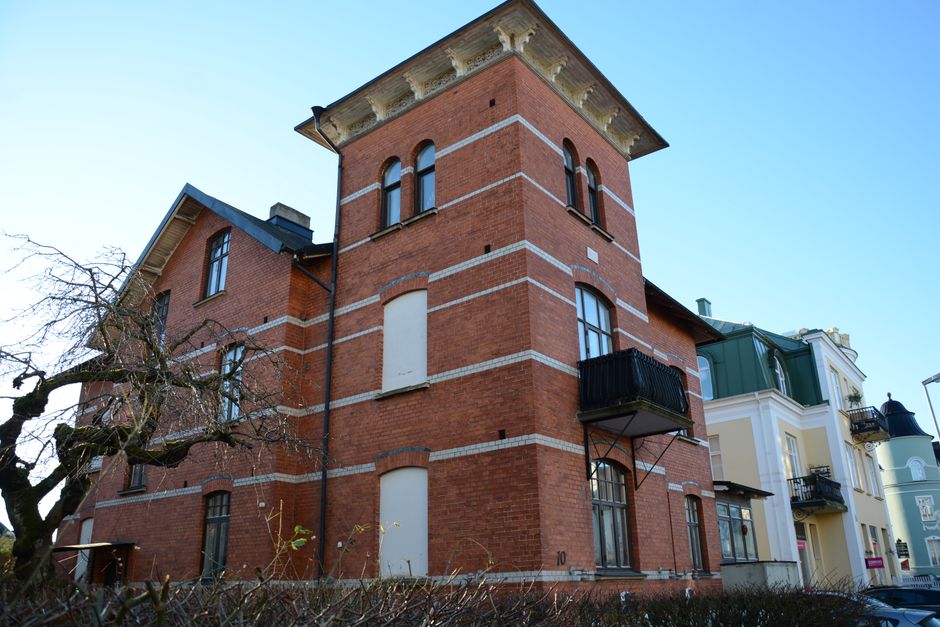
Found throughout Back Bay, Beacon Hill, and South End. These 1800s-era buildings feature load-bearing brick walls, often with decorative granite or limestone details. Common restoration needs include repointing mortar joints, chimney repair, and basement waterproofing. The brick itself is typically in good condition if the mortar is maintained properly.
Federal-Era Stone Masonry
Beacon Hill and parts of downtown feature early-1800s buildings with granite or slate facade and brick backup walls. These are more labor-intensive to maintain—the stone dressing and the masonry work behind it both need attention. Repointing stone joints is specialized work requiring understanding of historic mortar composition and masonry techniques.
Industrial Concrete & Brick
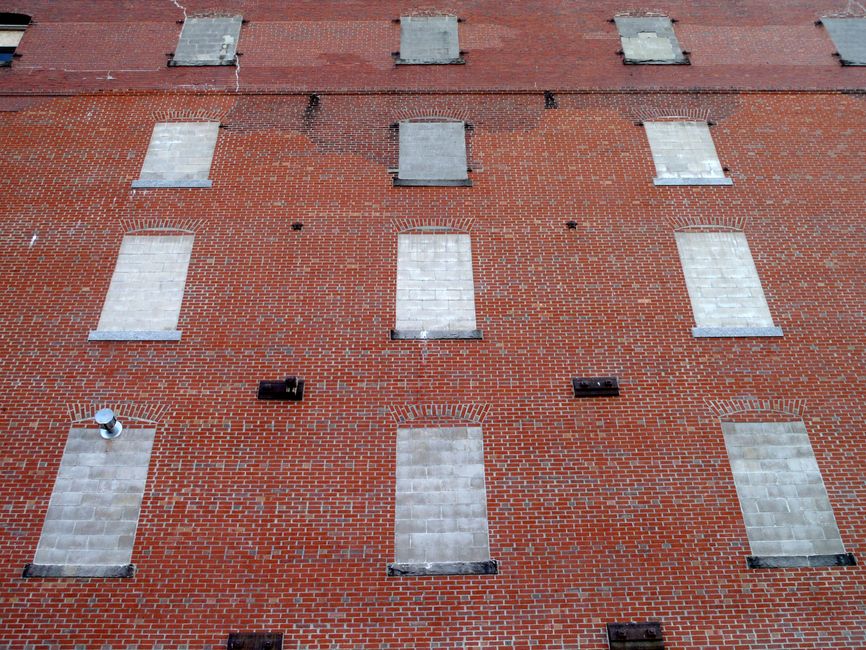
Fort Point, Fort Channel, and waterfront areas contain late-1800s to early-1900s factory and warehouse buildings. These feature thick brick walls, often with cast iron or steel structural elements. Modern conversion work typically involves concrete floor repair, waterproofing, and brick restoration. Concrete exposure and freeze-thaw damage are common concerns in these buildings.
How to Use This Guide
- Identify your neighborhood — Find your area in the table below. Different parts of Boston have distinct building types and ages.
- Understand the building type — Learn what materials and construction methods your building uses. This tells you what it will need over time.
- Know what to look for — Each building type has specific restoration challenges. Understanding these helps you prioritize maintenance.
- Connect with the right professionals — Different building types require different expertise. Brick restoration isn’t the same as concrete work. Browse our directory for specialists in your building’s specific needs.
Common Questions About Historic Buildings
What does “repointing” mean and why does my building need it?
Repointing is the process of removing old or damaged mortar from joints between bricks or stones and replacing it with new mortar. Mortar breaks down over time due to weather, frost, and salt. If the mortar isn’t maintained, water enters the wall and can damage the brick or stone itself. Repointing is specialized work—the new mortar must match the original mortar’s composition and appearance to avoid damaging the historic masonry.
My building is over 100 years old. Should I be concerned about structural issues?
Historic buildings have been standing for a long time, which means the structure is generally sound. However, older masonry buildings do require ongoing maintenance. Common concerns include foundation settling (which can cause minor cracking), water intrusion from damaged mortar, and deterioration from deferred maintenance. A professional inspection can identify specific issues. Most historic buildings remain stable and serviceable with regular repair and maintenance.
What’s the difference between pointing and tuckpointing?
Pointing is the general process of working with mortar joints in masonry. Tuckpointing is a specific technique where a thin line of contrasting mortar is pushed into the joint after repointing, creating a visual separation line. Tuckpointing is traditional on some older buildings, particularly Federal-era work. Whether to use tuckpointing on your building depends on its original construction style and what matches the existing work.
Can I use modern cement mortar on historic brick buildings?
Modern portland cement mortar is actually too hard and doesn’t move with historic brick the way softer lime-based mortar does. Using modern mortar on old brick can lead to brick face spalling (breaking away) over time. Historic buildings were built with lime mortar, and restoration work should use mortar that matches the original composition. This is why working with professionals who understand historic masonry matters—the materials and techniques have to match the original construction.
Boston Neighborhoods Reference Table
| Neighborhood | Dominant Building Type | Era | Common Materials | Key Maintenance Needs |
|---|---|---|---|---|
| Beacon Hill | Federal townhouses & mansions | 1790-1840 | Granite façade, brick backup | Stone repointing, chimney repair, foundation waterproofing |
| Back Bay | Victorian townhouses | 1850-1900 | Decorative brick, brownstone, granite trim | Mortar repointing, slate roof, window restoration |
| South End | Victorian rowhouses | 1860-1900 | Brick with stone bays | Facade repointing, basement waterproofing, cornice work |
| Fort Point / Seaport | Industrial warehouses | 1880-1920 | Heavy brick, timber, cast iron | Concrete repair, brick restoration, moisture control |
| Cambridge / MIT Area | Academic & industrial | 1840-1920 | Granite & brick construction | Stone work, mortar joints, structural masonry repairs |
| Watertown / Arsenal Area | Industrial & commercial brick | 1880-1950 | Thick masonry, concrete | Concrete sealing, brick pointing, waterproofing |
| Charlestown | Colonial & Federal era | 1750-1820 | Brick, granite foundations | Historic mortar replacement, chimney work, foundation work |
| Jamaica Plain | Victorian residences | 1870-1910 | Brick, decorative details | Brick and stone restoration, slate roofs |
Next Step: Finding the Right Professional
Once you’ve identified your building type and understand its needs, the next step is finding someone who knows how to work with that specific type of historic construction. Not every brick contractor understands Federal-era masonry techniques. Not every concrete specialist has experience with industrial waterproofing. Understanding your building is the foundation for a good conversation with professionals who can help you.
Browse The Keystone’s directory to find established professionals in masonry restoration, brick repair, concrete work, and historic building preservation. Each listing represents someone I’ve encountered or who has been recommended by people I trust to understand the difference between maintenance and damage, and to care about getting it right.